
Pool / Small Pump Seal Guide
How to choose the right pool mechanical seal (pump seal)
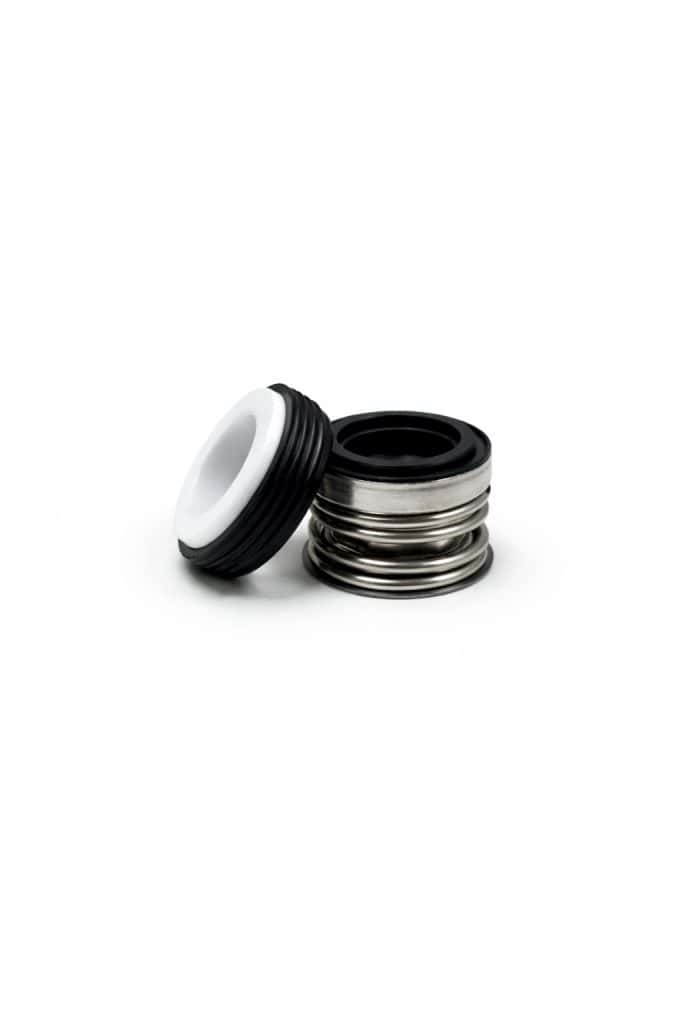
Pool/Small Pump Seals
Pump seals direct ps replacements for type 166, t-16, for pools, spa, and pond applications including ps-100, ps-201, ps-200, ps-1000 with options for upgraded material for normal, chemical, and heat water applications.
Not sure which pool pump mechanical seal you need? Call or text us for fitment help — no purchase required.
Call/Text 561-414-1046 Shop Pool/Small Pump SealsQuick links
- Find your seal fast (2 steps)
- Material options (Buna vs Viton vs SiC/SiC)
- Seal families & upgrades (PS-100 / PS-200 / PS-201 / PS-3890 / PS-1000)
- Shop by seal number
- Pool & spa mechanical seal FAQ
Prefer a printable chart? Download the Pool/Small Pump Guide (PDF) .
Find your seal fast (2 steps)
Step 1 — Confirm shaft size
Most pool/small pump seals are 5/8" or 3/4" shaft. In this Seal House lineup, PS-201 family is commonly 3/4", while PS-100 / PS-200 / PS-3890 / PS-1000 families are commonly 5/8".
Step 2 — Choose the best materials for your water
Pick the seal build based on pool chemistry and conditions (normal chlorine, saltwater, high heat, or abrasive grit). Seal House options range from molded carbon upgrades to Viton (FKM) and Silicon Carbide for maximum service life.
Material options
| Material option | What it is | Best for |
|---|---|---|
| Basic (Molded Carbon Face) | Molded-carbon face (upgrade over plastic/phenolic) for clean water and everyday use. | Home pools & spas with normal temperature and chlorine; clear water. |
| Molded Carbon + Viton | Same molded-carbon face with Viton elastomers for stronger chemical and heat resistance. | Everyday pools/spas, salt or higher-chlorine setups, warmer water. |
| Premium Carbon Face | Resin-impregnated carbon machined from stock; higher wear resistance and better chemical breakdown resistance. | Saltwater pools (electrolysis), commercial pools, heavy-use systems. |
| Premium + Viton | Upgraded elastomers for elevated chemical and temperature resistance. | High-chlorine pools/spas; hot water applications. |
| SiC/SiC + Viton (Silicon Carbide) | Silicon carbide faces + Viton for maximum abrasion resistance and long service life. | Abrasive water: sandy wells, dusty outdoor pools, high particulate. |
Seal families & upgrades (quick cross-reference)
| Standard / Seal House product | Molded Carbon | Premium Carbon Face | Premium + Viton | SiC/SiC + Viton |
|---|---|---|---|---|
| 100 / 100c | 100cv | 957 | 3866 | 100cvss |
| 200 / 200c | 200cv | 516 | 3867 | 200cvss |
| 201 / 201c | 201cv | 851 | 3868 | 201cvss |
| 3890 / 3890c | 3890cv | — | — | — |
| 1000 / 1000 | 1000cv | 961 | 3865 | 1000cvss |
Want to browse everything in one place? Shop Pool/Small Pump Seals.
Shop by seal number
PS-100 family (Type 166 / T-16)
- 100c (PS-100)
- 100cv (PS-100V-CMS)
- 957 (PS-957 Premium Carbon)
- 3866 (PS-3866 Premium + Viton)
- 100cvss (PS-100VSC / PS-100-SC-SC)
PS-200 family (Type 166 / T-16)
- 200c (PS-200)
- 200cv (PS-200V-CMS)
- 516 (PS-516 Premium Carbon)
- 3867 (PS-3867 Premium + Viton)
- 200cvss (PS-200VSC / PS-200V-SC-SC)
PS-201 family (Type 166 / T-16)
- 201c (PS-201)
- 201cv (PS-201V-CMS)
- 851 (PS-851 Premium Carbon)
- 3868 (PS-3868 Premium + Viton)
- 201cvss (PS-201V-SC-SC)
PS-3890 family (Type 166 / T-16)
PS-1000 family (Type 6 / T-6A / T-75)
Pool & spa mechanical seal FAQ
What is a pool pump mechanical seal (shaft seal)?
A mechanical seal prevents water from leaking along the motor shaft between the wet end and motor. If you see water dripping under the pump, a worn mechanical seal is one of the most common causes.
How do I choose the right pool/spa pump seal?
Start with the seal family (PS-100, PS-200, PS-201, PS-3890, PS-1000) and confirm shaft size (commonly 5/8" or 3/4"). Then choose the best material option for your water: Basic, CV (Viton), Premium, or CVSS (SiC/SiC + Viton).
What does “CV” mean on pool pump seals?
CV indicates a Viton (FKM) elastomer upgrade for stronger chemical and temperature resistance compared to standard Buna-N options.
What does “CVSS” mean on pool pump seals?
CVSS indicates Silicon Carbide / Silicon Carbide faces with Viton elastomers — ideal for harsh service, abrasion, and longer seal life.
Which seal is best for saltwater pools?
Saltwater systems often benefit from Viton upgrades and, for heavy use, premium carbon face options designed to resist chemical breakdown.
Which seal is best for sandy or abrasive water?
Choose CVSS (SiC/SiC + Viton) for maximum abrasion resistance and long service life when sand, grit, or particulate is present.
Do I replace the ceramic seat too?
Whenever possible, replace the rotating face and stationary seat together. Mixing old/new sealing surfaces can increase leak risk.
Why did my seal fail quickly?
The most common causes are dry running, debris/abrasives, the wrong material choice for the pool chemistry, or installation issues (mis-seated ceramic, damaged rubber, contaminated faces).
Still not sure? Call/Text 561-414-1046 or visit our Contact page and send your pump model + photos of the old seal.
Disclaimer: Seal House USA provides aftermarket replacement parts. Any OEM names and part numbers are used strictly for cross-reference. Trademarks belong to their respective owners.